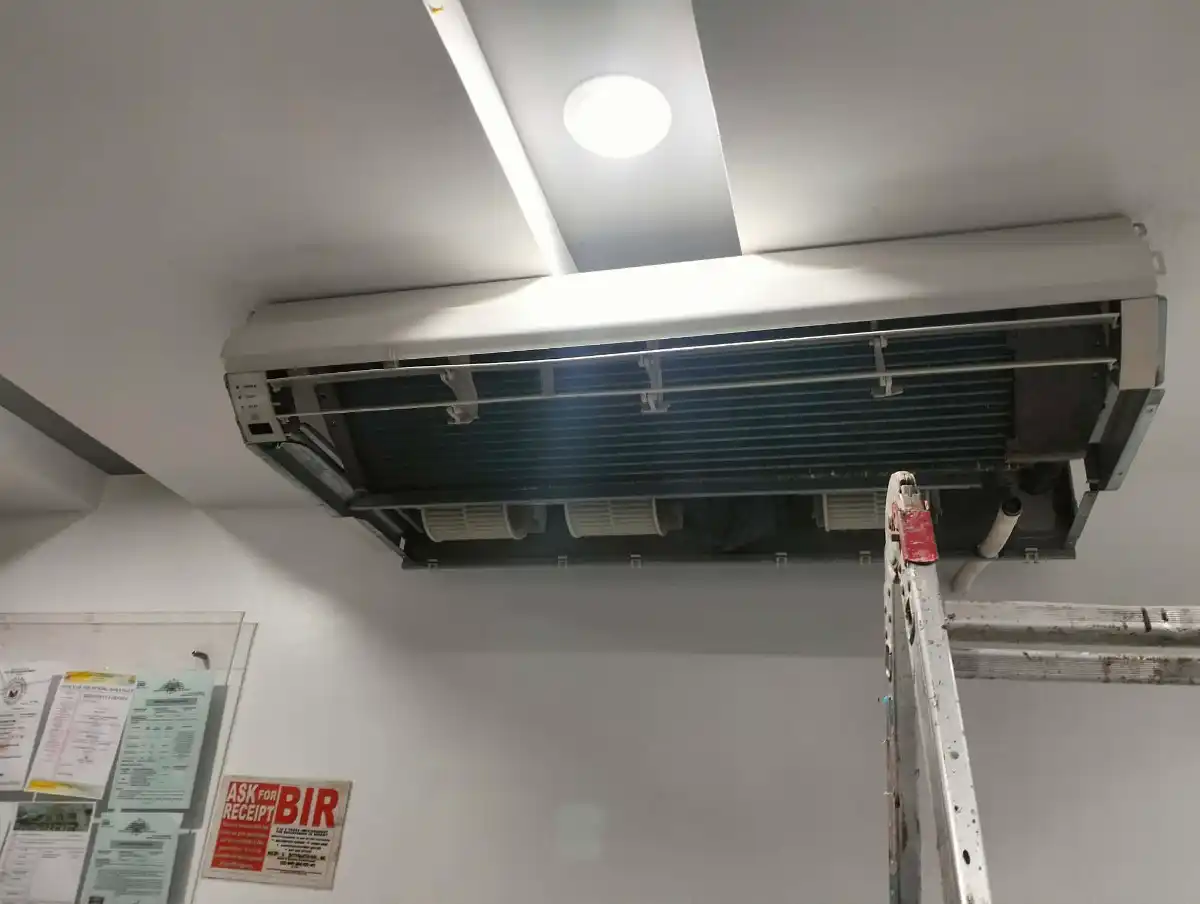
Managing several rental properties in Cebu involves more than collecting rent and responding to tenant concerns. Property owners must also keep essential equipment in working condition, including the air-conditioning units installed in bedrooms, studios, condominiums and commercial spaces.
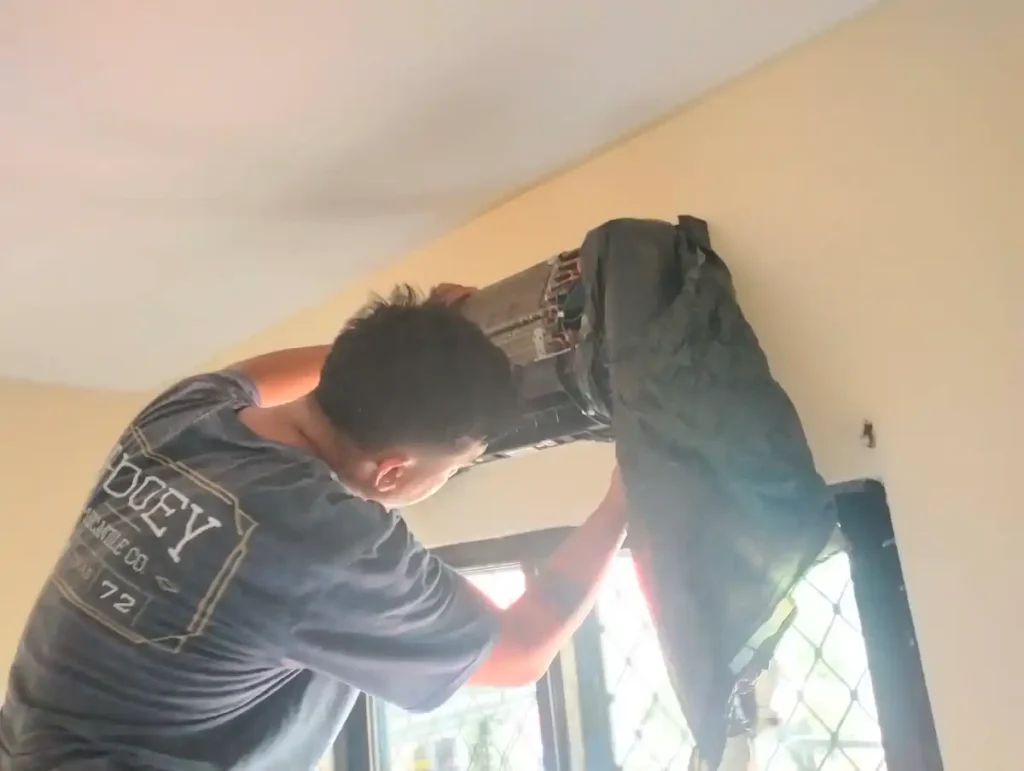
When a landlord manages multiple air conditioners, maintenance can become difficult without a clear schedule.
One tenant may report weak cooling, another may experience water leakage, while a third unit could be operating normally despite having accumulated dust inside its filters and coils.
Without a proper system, servicing may become reactive, leading to unexpected repairs, scheduling conflicts and unnecessary expenses.
A structured aircon maintenance schedule for rental units helps landlords track equipment conditions, organise technician visits and reduce the risk of preventable breakdowns.
This guide explains how property owners and managers in Cebu can develop a practical maintenance programme for multiple rental units.
1. Why Landlords Need an Aircon Maintenance Schedule
Air conditioners in rental properties can experience different levels of wear depending on how frequently tenants use them.
Some occupants run their aircon every night, while others use it throughout the day.
In Cebu’s warm and humid climate, regular cooling can place substantial demands on residential air-conditioning systems.
Without scheduled maintenance, dirt may accumulate, drainage lines can become blocked and small mechanical problems may remain unnoticed.
Benefits of Scheduled Aircon Maintenance
A planned maintenance programme can help landlords:
- Reduce avoidable equipment breakdowns
- Maintain reliable cooling performance
- Identify drainage problems early
- Support energy-efficient operation
- Organise servicing across multiple properties
- Keep consistent maintenance records
- Plan property maintenance expenses
- Respond more efficiently to tenant concerns
- Monitor equipment age and condition
- Make informed repair or replacement decisions
Regular maintenance cannot eliminate every mechanical failure, but it can reduce the likelihood of problems associated with neglected equipment.
2. Create a Complete Aircon Inventory
Before developing a maintenance schedule, landlords should create an inventory of every air conditioner installed across their properties.
This provides a clear record of equipment details, installation dates and servicing history.
Information to Record for Each Unit
| Information | Example |
|---|---|
| Property Location | Cebu City |
| Rental Unit | Unit 301 |
| Aircon Type | Split-type inverter |
| Brand and Model | Record exact model |
| Cooling Capacity | 1.0 HP |
| Installation Date | 15 March 2025 |
| Last Cleaning Date | 15 August 2026 |
| Next Service Date | According to inspection plan |
| Warranty Status | Active or expired |
| Equipment Condition | Working normally |
| Assigned Technician | Approved service provider |
These details can be maintained using a spreadsheet, property management software or a central maintenance register.
For larger portfolios, assign a unique identification number to each aircon.
For example, CEB-301-AC01 could identify the first air conditioner installed in rental unit 301.
A consistent naming system makes service records easier to locate.
3. Determine How Often Each Aircon Needs Maintenance
Not every rental property needs the same cleaning frequency.
An air conditioner used occasionally may accumulate dirt more slowly than a unit running for extended periods every day.
Maintenance intervals should reflect manufacturer recommendations, equipment condition, operating hours and the surrounding environment.
Sample Aircon Maintenance Schedule
| Maintenance Activity | Suggested Planning Interval |
|---|---|
| Filter inspection and cleaning | Approximately every 2 weeks during regular use, subject to model instructions |
| Visual checks for leaks and unusual noise | Monthly |
| Review of cooling performance | Every 1–3 months |
| Professional indoor unit inspection and cleaning | Every 3–6 months as an initial planning interval |
| Drainage system inspection | During professional servicing and whenever leakage is suspected |
| Outdoor condenser inspection | Every 3–6 months or as conditions require |
| Electrical safety assessment | According to risk, manufacturer guidance and applicable requirements |
| Full maintenance review | Annually |
These intervals are planning examples, not mandatory servicing rules. Increase or reduce the frequency based on documented unit condition and the manufacturer’s instructions.
For example, an aircon in a frequently occupied studio apartment may need more attention than one installed in an occasionally used rental unit.
4. Group Rental Units by Location
If you manage rental properties across Cebu City, Mandaue, Lapu-Lapu and Talisay, organising maintenance by geographic area can make technician visits more efficient.
Rather than scheduling separate visits for individual units, group nearby properties where possible.
Example Geographic Maintenance Plan
| Service Day | Area | Units Scheduled |
|---|---|---|
| Monday | Cebu City | Units 101, 102, 103 |
| Tuesday | Mandaue | Units 201, 202, 203 |
| Wednesday | Lapu-Lapu | Units 301, 302 |
| Thursday | Talisay | Units 401, 402 |
| Friday | Follow-up Visits | Repairs and pending inspections |
This is an illustrative scheduling arrangement.
Actual technician availability, tenant access, travel time and maintenance requirements will determine how many units can be serviced in one day.
Grouping appointments may also reduce repeated travel and coordination work.
5. Establish a Monthly Aircon Maintenance Checklist
A simple monthly checklist helps landlords identify early warning signs without needing to dismantle air-conditioning equipment.
These checks can be performed during authorised property inspections or reported by tenants.
Monthly Aircon Inspection Checklist
| Inspection Item | Check |
|---|---|
| Aircon starts and operates normally | ☐ |
| Cooling performance is satisfactory | ☐ |
| No unusual mechanical noise | ☐ |
| No unpleasant smell | ☐ |
| No water dripping indoors | ☐ |
| Filters checked according to instructions | ☐ |
| No visible damage to the unit | ☐ |
| Remote control operates correctly | ☐ |
| No electrical warning signs | ☐ |
| Maintenance concerns recorded | ☐ |
Tenants should not be required to open electrical components or dismantle an air conditioner.
Any concerns involving wiring, refrigerant, internal parts or recurring drainage faults should be referred to an appropriately qualified technician.
6. Plan Preventive Aircon Cleaning
Aircon cleaning is an important part of preventive maintenance.
Dust and dirt can accumulate on filters, coils, blower wheels and drainage components.
Over time, this may restrict airflow, affect cooling efficiency or contribute to water leaks.
Standard Aircon Cleaning
Standard cleaning is suitable for regularly maintained units with ordinary dust buildup.
Depending on the service package, it may include filter cleaning, accessible coil cleaning, drainage checks and inspection of visible components.
Deep Aircon Cleaning
Deep cleaning may be recommended when substantial dirt has accumulated inside the blower, coil or drainage system.
It can involve more detailed access to internal components.
Chemical Aircon Cleaning
Chemical cleaning may be appropriate when stubborn contamination cannot be removed effectively through ordinary cleaning.
It should be based on the equipment’s condition and the manufacturer’s permitted cleaning procedures rather than performed automatically at every visit.
Related reading: What Is the Difference Between Standard Aircon Cleaning, Deep Cleaning, and Chemical Cleaning?
7. Monitor Aircon Drainage to Prevent Property Damage
Water leakage is particularly concerning in rental properties because it can damage interior finishes, furniture and neighbouring units.
Blocked drain hoses, incorrectly positioned pipes and dirty drain trays can cause condensation to overflow.
In condominiums, drainage problems may also affect units below or nearby.
Common Warning Signs
- Water dripping from the indoor aircon
- Damp patches beneath the unit
- Peeling wall paint
- Yellowish ceiling stains
- Musty smells
- Moisture around wooden furniture
- Repeated reports of leaking water
Landlords should arrange prompt inspection when tenants report these symptoms.
A small drainage problem may become more expensive if water repeatedly reaches walls, ceilings or electrical fittings.
Related reading: Aircon Drainage Problems: How Poor Drainage Damages Walls, Ceilings, and Furniture.
8. Include Electrical Safety in the Maintenance Programme
Air conditioners rely on electrical components that must operate safely.
Damaged wiring, loose connections and unsuitable circuit protection can create hazards.
For rental properties, electrical concerns should be treated as a priority rather than an ordinary maintenance inconvenience.
Important Electrical Warning Signs
- Repeated circuit breaker trips
- Burning smells
- Hot or discoloured plugs
- Crackling noises
- Visible wiring damage
- Water near electrical outlets
- Electric shock or tingling when touching equipment
Tenants should stop using affected equipment when safe to do so and report the problem immediately.
Qualified electrical personnel should inspect suspected faults before the equipment is returned to use.
Related reading: Aircon Electrical Safety Checklist for Homes, Offices, and Rental Properties.
9. Coordinate Maintenance Appointments With Tenants
One challenge in managing multiple rental units is arranging access without unnecessarily disrupting occupants.
Landlords should establish a clear process for scheduling technician visits.
Practical Tenant Coordination Tips
- Inform tenants of planned servicing in advance.
- Explain the purpose of the maintenance visit.
- Offer reasonable appointment windows.
- Follow the lease agreement and applicable notice requirements.
- Arrange building access where necessary.
- Provide the technician’s details when appropriate.
- Confirm completion after servicing.
- Record any concerns raised by the tenant.
For condominium properties, check whether building management requires visitor registration, work permits or specific service hours.
A consistent communication process helps reduce missed appointments.
10. Clarify Maintenance Responsibilities in the Lease Agreement
Landlords and tenants should understand who is responsible for routine aircon cleaning, servicing and repairs.
The answer can depend on the rental agreement, equipment ownership, applicable law and the circumstances that caused the problem.
For example, a landlord may provide the aircon as part of a furnished rental unit, while another tenant may own and install their own equipment with permission.
Matters to Address in the Lease
A clear agreement should explain:
- Who arranges routine filter cleaning
- Who pays for professional servicing
- How tenants should report faults
- Who authorises repair work
- How installation modifications are approved
- Who is responsible for damage resulting from misuse
- How access for maintenance is arranged
In the Philippines, Article 1654 of the Civil Code addresses a lessor’s obligations concerning necessary repairs, subject to the legal terms and circumstances of the lease.
Landlords should ensure their maintenance arrangements comply with applicable law rather than assuming every repair cost can automatically be passed to a tenant.
11. Create a Central Aircon Maintenance Tracking System
A maintenance log is essential when managing several air conditioners.
It allows property managers to identify overdue services, compare recurring problems and track expenses.
Sample Maintenance Tracking Table
| Unit ID | Last Service | Next Service | Condition | Status |
|---|---|---|---|---|
| CEB-101-AC01 | 15 July 2026 | 15 October 2026 | Normal | Due |
| CEB-102-AC01 | 20 August 2026 | 20 November 2026 | Normal | Scheduled |
| MAN-201-AC01 | 5 September 2026 | 5 December 2026 | Weak airflow | Inspection needed |
| LAP-301-AC01 | 10 August 2026 | 10 November 2026 | Normal | Scheduled |
| TAL-401-AC01 | 1 October 2026 | 1 January 2027 | Normal | Scheduled |
These are fictional example records.
A spreadsheet can include automatic reminders, conditional formatting and service history.
Useful spreadsheet fields include the unit ID, tenant contact reference, model, service date, technician, findings, cost and next appointment.
12. Set a Maintenance Budget for Multiple Rental Units
A maintenance budget helps property owners plan predictable servicing expenses and prepare for unexpected repairs.
Rather than waiting until an aircon stops working, allocate funds for preventive cleaning, inspections and potential component replacements.
Illustrative Annual Budget Calculation
Suppose a landlord manages 10 rental air conditioners.
For budgeting purposes, assume:
- 10 aircon units
- 3 professional cleaning appointments per unit annually
- Illustrative service allowance: ₱1,000 per visit
Estimated routine cleaning budget:
10 units × 3 visits × ₱1,000 = ₱30,000 annually
This calculation is illustrative only, not a verified Cebu service quotation.
Actual expenses vary by aircon type, unit condition, accessibility, service scope and contractor pricing.
Landlords should also maintain a separate contingency for unexpected repairs, parts replacement and equipment failure.
13. Prioritise Units Based on Condition and Usage
When managing several units, not every air conditioner requires the same level of attention.
A risk-based approach helps allocate maintenance resources where they are most needed.
Example Maintenance Priorities
| Priority | Equipment Condition | Recommended Response |
|---|---|---|
| Urgent | Smoke, electrical hazard or water reaching electrical equipment | Stop use safely and arrange urgent qualified assistance |
| High | Active indoor water leakage or repeated shutdowns | Arrange prompt inspection |
| Medium | Weak airflow, unusual noise or recurring odours | Schedule diagnostic servicing |
| Routine | Normal operation and scheduled cleaning due | Complete planned maintenance |
Units with recurring faults should be monitored more closely than equipment operating normally.
Repair histories can also help identify when replacement may be more practical than continued servicing.
14. Maintain Proper Service Documentation
Keeping records of completed maintenance helps landlords manage equipment more effectively.
After every professional visit, record:
- Property and unit identification
- Date of servicing
- Technician or service provider
- Work completed
- Inspection findings
- Replacement parts
- Photographs where appropriate
- Total servicing cost
- Recommended follow-up
- Next planned maintenance date
Service records are useful when checking warranty requirements, reviewing repair expenses or preparing a property for new tenants.
They also provide continuity if the landlord changes service providers.
15. Inspect Aircons Between Tenancies
Tenant turnover provides a useful opportunity to inspect the air-conditioning equipment before the next occupant moves in.
A vacant unit may allow technicians easier access without disrupting residents.
Between-Tenancy Aircon Checklist
- Confirm the aircon operates correctly.
- Check cooling performance.
- Inspect filters and visible components.
- Examine drainage for leaks.
- Check the remote control.
- Review previous repair reports.
- Arrange cleaning where necessary.
- Verify that no electrical warning signs are present.
- Update the maintenance log.
- Confirm the next scheduled service.
Any necessary repairs should be completed before the new tenant occupies the property whenever practical.
16. Decide When an Aircon Should Be Repaired or Replaced
Preventive maintenance can help preserve equipment condition, but every air conditioner eventually reaches a point where replacement should be considered.
Landlords should review both repair history and long-term operating costs.
Signs Replacement May Be Worth Considering
- Repeated major component failures
- Frequent service interruptions
- High repair costs relative to replacement
- Significant corrosion
- Poor energy efficiency compared with suitable newer models
- Difficulty obtaining compatible replacement parts
- Equipment no longer meeting the property’s cooling requirements
Age alone does not determine whether an aircon needs replacement.
A professional assessment can help identify whether continued repair is technically and financially sensible.
17. Benefits of Using One Maintenance Provider
Working with a consistent aircon maintenance provider can simplify servicing across multiple rental units.
Rather than contacting different technicians for every property, a landlord may choose to coordinate planned inspections and cleaning through one service provider.
Potential advantages include:
- Consistent maintenance procedures
- Centralised scheduling
- Familiarity with installed equipment
- Easier service history tracking
- Coordinated visits across nearby properties
- Clearer communication about recurring faults
- More predictable service planning
When selecting a provider, consider technical qualifications, experience, service coverage, documentation and responsiveness.
Always clarify the scope of work and pricing before agreeing to a recurring maintenance arrangement.
18. Professional Aircon Maintenance for Rental Properties in Cebu
Managing several rental air conditioners requires organisation, communication and timely servicing.
A structured maintenance programme helps landlords understand equipment conditions and make informed decisions about cleaning, repairs and replacement.
At Cebu Aircon Services, we recognise the challenges property owners face when coordinating aircon maintenance across different rental units.
Whether you manage studio apartments, condominiums, residential houses or rental office spaces in Cebu, a planned servicing approach can help minimise disruption and improve maintenance oversight.
Landlords in Cebu City, Mandaue, Lapu-Lapu, Talisay and nearby areas can discuss their equipment requirements and arrange an appropriate professional assessment.
Frequently Asked Questions
How often should landlords schedule aircon cleaning?
The interval depends on usage, equipment condition and manufacturer instructions. Filter cleaning may be needed frequently during daily use, while professional servicing can be scheduled according to inspection findings and operating conditions.
Should aircon maintenance be included in a rental agreement?
Yes. A clear rental agreement should explain responsibilities for routine cleaning, repairs, reporting faults and access arrangements, consistent with applicable law.
Who pays for aircon cleaning in a rental property?
Payment responsibilities depend on the lease agreement, equipment ownership and legal obligations. The agreement should clearly distinguish routine cleaning from necessary repairs and damage caused by misuse.
Can landlords schedule aircon maintenance for several units on the same day?
Yes, when technician capacity, property locations, tenant availability and the required service scope allow it.
What records should landlords keep?
Maintain an aircon inventory, service dates, technician reports, repair history, warranty information, expenses and upcoming maintenance appointments.
Is deep aircon cleaning necessary every three months?
Not necessarily. Deep cleaning should be recommended according to the actual condition of the aircon rather than a fixed calendar interval.
How can landlords reduce aircon breakdowns?
Follow manufacturer maintenance recommendations, inspect units regularly, respond promptly to warning signs and keep accurate service records.
Should landlords inspect aircons before a new tenant moves in?
Yes. Checking operation, drainage, visible condition and maintenance history between tenancies helps identify problems before occupancy.
How can property managers track multiple aircons efficiently?
A central spreadsheet or maintenance management system can track individual unit IDs, service dates, reported problems, costs and next appointments.
When should a rental property’s aircon be replaced?
Replacement may be appropriate when the unit repeatedly breaks down, requires expensive repairs, has serious corrosion or no longer provides suitable cooling. A technician can help assess its condition.
Final Thoughts
Managing aircon maintenance across multiple rental properties does not need to be complicated.
Start with a complete equipment inventory, establish appropriate inspection intervals and group servicing appointments where practical.
Keep tenants informed, record completed work and review the maintenance history of each unit.
A consistent schedule can help landlords reduce preventable problems, protect their equipment and provide more reliable cooling for tenants.
Managing Multiple Rental Units in Cebu?
Contact Cebu Aircon Services to discuss your air-conditioning maintenance requirements and explore suitable servicing arrangements for your rental properties.
A well-organised maintenance programme can make property management more efficient while supporting dependable aircon performance.