
Air conditioners are essential in maintaining comfort, especially in a tropical place like Cebu City. Over time, aircon units may experience issues such as weak cooling, water leaks, unusual noises, or higher electricity consumption. Proper Cebu aircon repair and regular reprocess, cleaning can help restore your unit’s performance and extend its lifespan.
In this guide, we’ll discuss the common signs of aircon problems, step-by-step repair procedures, and why reprocessing your air conditioner is important.
What is Cebu Aircon Repair?
Cebu aircon repair refers to professional troubleshooting and fixing of air conditioning units in homes, offices, and commercial spaces across Cebu. Repair services usually include:
- Diagnosing cooling problems
- Fixing refrigerant leaks
- Repairing electrical issues
- Replacing defective parts
- Cleaning clogged components
- Restoring proper airflow
Professional repair ensures your air conditioner operates efficiently and safely.
Common Signs Your Aircon Needs Repair
Before your unit completely stops working, it often shows warning signs.
1. Weak Cooling Performance
If your room remains warm even when the aircon is running, possible causes include:
- Dirty evaporator coils
- Low refrigerant level
- Faulty compressor
- Clogged filters
2. Water Leaking from the Unit
Water leakage is one of the most common aircon issues. This usually happens because of:
- Blocked drainage pipes
- Frozen evaporator coils
- Improper installation
3. Strange Noises
Grinding, buzzing, or rattling sounds may indicate:
- Loose components
- Motor problems
- Fan blade damage
4. Bad Odor
Foul smells can come from:
- Mold buildup
- Dirty filters
- Bacteria inside the unit
This often means your unit needs reprocess cleaning.
Step-by-Step Cebu Aircon Repair Process
Step 1: Initial Inspection
Technicians inspect the aircon unit to identify visible problems such as leaks, damaged wiring, or dirt accumulation.
Areas Checked:
- Filters
- Fan motor
- Refrigerant lines
- Electrical connections
- Compressor condition
Step 2: Air Filter Cleaning
Dirty filters reduce airflow and cooling efficiency.
Procedure:
- Remove the air filter
- Wash with clean water
- Dry completely
- Reinstall properly
Regular cleaning helps improve air quality and cooling performance.
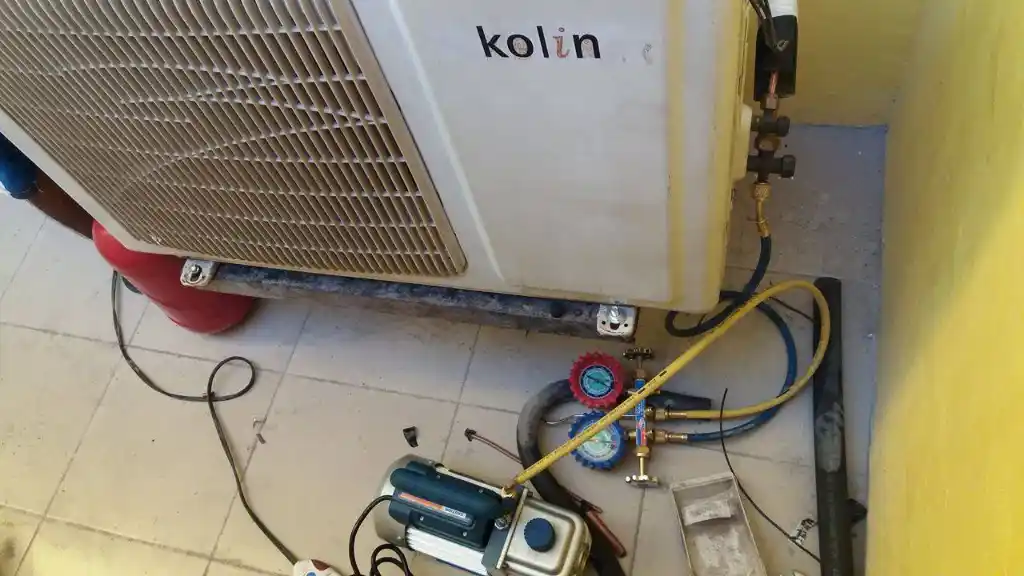
Step 3: Checking Refrigerant Levels
Low refrigerant levels can reduce cooling capacity.
Technicians:
- Measure pressure levels
- Detect leaks
- Recharge refrigerant if necessary
Step 4: Cleaning the Evaporator and Condenser Coils
Dirty coils force the unit to work harder.
Cleaning Process:
- Remove accumulated dust
- Use coil cleaner
- Wash thoroughly
- Dry components
Step 5: Drainage Line Cleaning
Blocked drain pipes cause water leaks.
Drain Line Repair:
- Remove dirt buildup
- Flush drainage system
- Ensure proper water flow
Step 6: Electrical System Testing
Technicians inspect:
- Capacitors
- Wiring connections
- Thermostat
- Circuit boards
Faulty electrical parts are repaired or replaced.
What is Aircon Reprocess?
Reprocess is a deep-cleaning procedure for heavily contaminated air conditioners. Unlike ordinary cleaning, reprocessing involves fully dismantling the unit to remove dirt, mold, and bacteria.
This service is highly recommended when:
- The aircon smells bad
- Cooling becomes weak
- Water leakage continues
- The unit has not been cleaned for a long time
Step-by-Step Aircon Reprocess Procedure
Step 1: Full Dismantling
Technicians carefully remove:
- Front cover
- Filters
- Fan blower
- Drain tray
- Evaporator coils
Step 2: High-Pressure Cleaning
Each component is cleaned using:
- High-pressure water
- Specialized cleaning solutions
This removes:
- Mold
- Dust
- Sludge
- Bacteria
Step 3: Chemical Treatment
Anti-bacterial solutions help eliminate:
- Odors
- Germs
- Mold buildup
Step 4: Drying and Reassembly
All parts are dried thoroughly before reassembling the unit.
Step 5: Final Testing
After reassembly, technicians:
- Test cooling performance
- Check airflow
- Inspect for leaks
- Verify electrical safety
Benefits of Cebu Aircon Repair and Reprocess
Improved Cooling Efficiency
A repaired and cleaned unit cools rooms faster and more effectively.
Lower Electricity Consumption
Clean air conditioners consume less power, helping reduce electric bills.
Better Indoor Air Quality
Removing dirt and bacteria improves the air you breathe.
Longer Aircon Lifespan
Routine maintenance prevents major breakdowns and extends equipment life.
How Often Should You Schedule Reprocess Cleaning?
Recommended schedule:
- Residential use: every 4–6 months
- Office use: every 3–4 months
- Heavy commercial use: every 2–3 months
Regular maintenance helps avoid expensive repairs.